Gender work, without the jargon.
GenderWork Simplified exists to close the distance between gender theory and the everyday decisions of programming, so that good intentions become competent practice.
After years working across NGOs and development programmes, the same pattern kept appearing. Gender was present in strategies, policies, and workshops, but far less visible in the everyday decisions that shaped programmes and organisations. People completed training, understood the concepts, and genuinely wanted to apply them, yet when it came to designing projects, allocating budgets, or reviewing proposals, the old patterns often held.
The question was never whether people cared about gender. It was why awareness so often failed to become practice. That question became the starting point for Gender Work Simplified.
The idea is simple: better gender practice is not only about awareness, but about competence. Practitioners need practical ways to analyse, communicate, influence decisions, navigate organisations, and reflect on their own practice. Organisations need more than committed individuals; they need systems that make good gender practice the default.
Everything here is built with that purpose. The Gender Competence Framework™, the assessment, articles, and practical resources all serve one goal: helping practitioners and organisations move from understanding gender to applying it with confidence, consistency, and lasting impact.
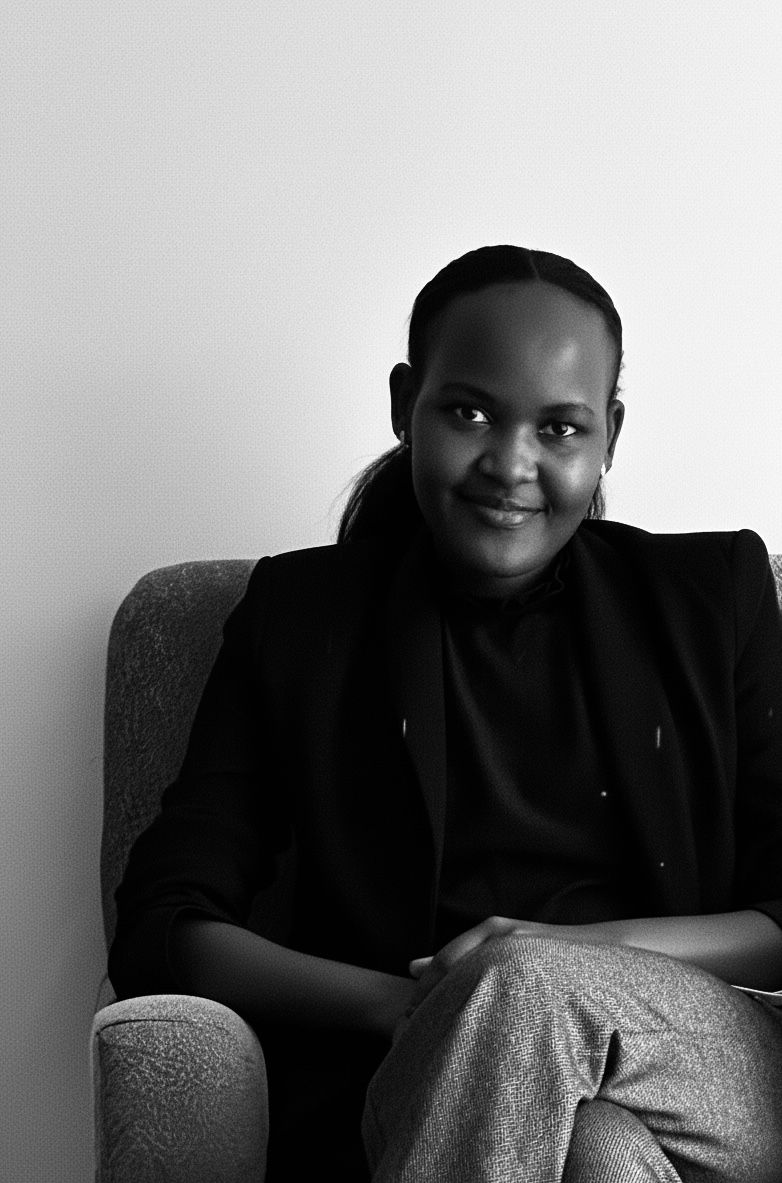
Pamela Kiambi
Pamela Kiambi is a Gender and Development Practitioner and the creator of The Gender Competence Framework™. Through Gender Work Simplified, she shares insights and develops practical tools that help practitioners and organisations move beyond gender awareness to applied gender competence.
Her work spans programme design, monitoring and learning, resource development, and advocacy, with a particular focus on girl-led and youth-led environmental and gender action. Across all of it, her starting point is the same: the hardest gap in gender work is not knowledge. It is the space between knowing and doing.
She writes for the people doing the work. Early career practitioners finding their feet, and experienced ones who want sharper tools.
To simplify gender and development concepts into practical tools, frameworks, and learning systems that individuals and organisations can apply immediately.